Heat Stress – Causing the Dairy Industry to lose billions in revenue each year.
SP Els, AFGRI Animal Feeds
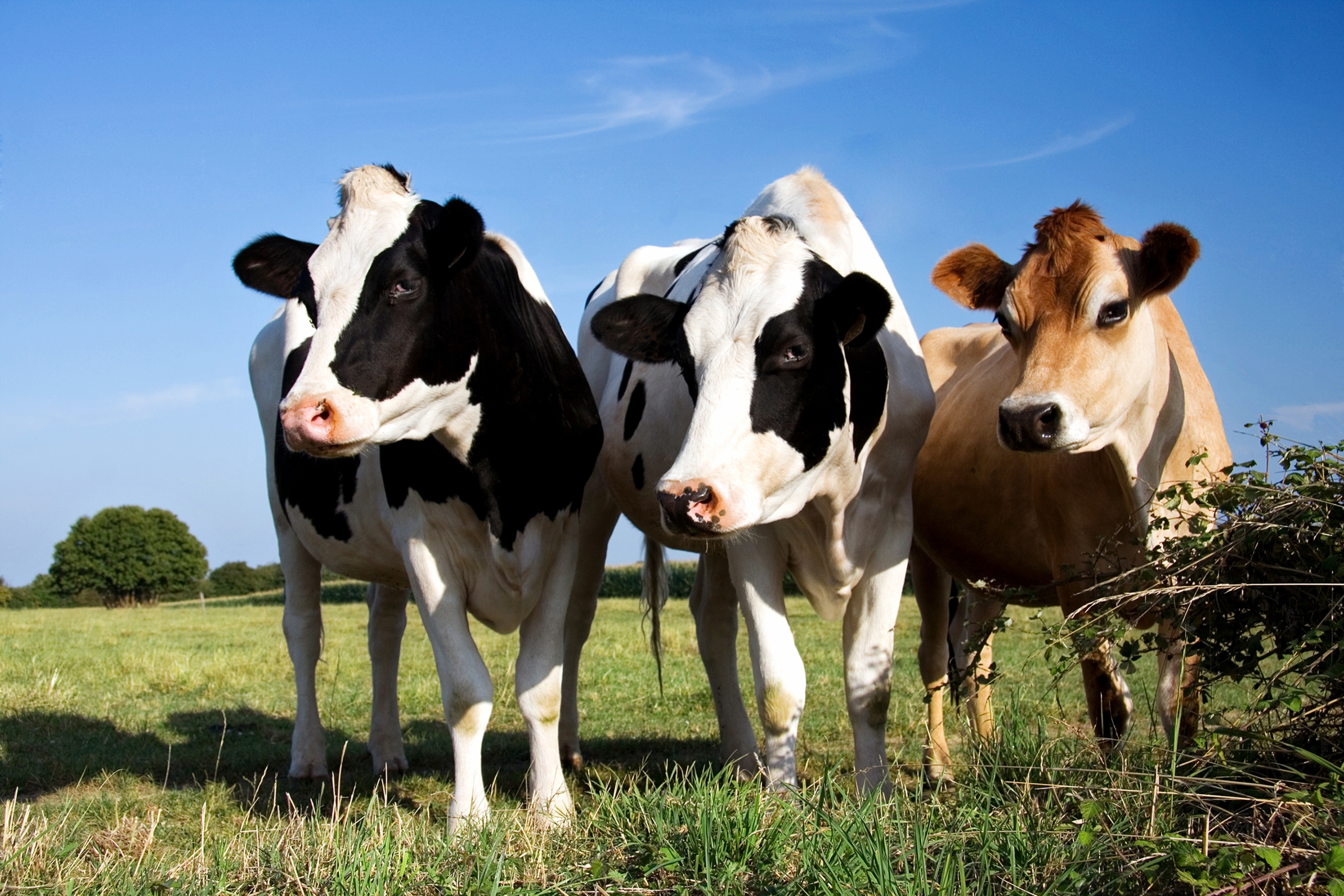
The effect of heat stress (HS) is detrimental to a variety of dairy production parameters including milk yield and reproduction and will become a greater challenge in the future due to global climate change. Therefore, the negative impact HS has on our dairy parameters is a significant financial burden on our dairy producers.
Heat stress occurs when the cows ability to maintain homeothermy is compromised, usually as a result of ambient temperature exceeding the thermoneutral zone, which is defined as the temperature range wherein an animal’s core body temperature is increased above the normal physiological level. A condition which is measured by calculating the Temperature Humidity Index (THI).
When the dairy cow experiencing HS, the cows cooling mechanisms is impaired and endorses several biological and behavioural actions to assuage the effect of HS before it reaches more recognizable signs of stress such as panting and reduced dry matter intake (DMI).
As a result of HS and the cow’s effort to maintain normal core body temperatures DMI lowers which in turn as mentioned above reduces milk yield and reproduction as well as lower milk fat & protein percentage and an impaired immune system. Studies have showed that the lower DMI only accounts for 50% of the reduction in milk yield and that HS cows require extra energy. Furthermore, other negative effects heat stress has on the dairy cow are (i) Acute health problems (ii) Higher incidents of abortions (iii) Rumen Acidosis.
The cows body needs to maintain a 20:1 bicarbonate (HCO3) to carbon dioxide (CO2) ratio in the blood. Heat stress increase the respiration rate which decrease CO2 in the blood and to compensate the kidneys secretes HCO3 to maintain this ratio and therefore less HCO3 via saliva is available to buffer the rumen.
If we have a better understanding of the biological reasons WHY heat stress reduces production, we will have a better idea of how to alleviate it.
Feeding Strategies: (i) Change feeding times to deliver feed during the coolest part of the day. (ii) Work with a nutritionist to adjust diets accordingly, i.e., (a) making use of ionophores, (b) dietary HCO3, (c) feeding additional energy without the heat increment of feeding (d) increase the potassium level in the diet – cows uses potassium to sweat.
BUT the primary strategy to improve production parameters during heat stress is MANAGEMENT!
(i) It is important to provide fresh, cool water during times of heat stress and enough water trough space – avoid crowding. Dairy cows can drink more than double the amount of water in the summer, compared to cooler months (ii) Providing shade – on pasture based system use camps with shade trees or before afternoon milking bring cows earlier to shaded area with enough cold water and additional feed, i.e. maize silage (iii) Providing shade for dry cows. There is growing evidence that the effect of HS during the dry period has significant negative effects on innate and adaptive immune systems of the cow as well as the offspring, influencing the morbidity of early lactation cows and calves from birth to first calving (iv) Sprinklers in combination with fans in the holding area – researched have shown a rapid change in the cows body temperature and respiration rate using the above in combination (v) Reduce walking distance and speed to the dairy (vi) Reduce time in holding pen (vii) Milk earlier in the morning (viii) Feed early in the morning and late in the night (ix) Avoid vaccinations during the middle of the day.
Correctly identifying cows experiencing heat stress and understanding the biological and behavioural mechanism(s) by which thermal stress reduces milk yield and reproduction therefore it is critical for developing innovative approaches to maintain or minimize the reduction of dairy cow production parameters during stressful summer months. Furthermore, it is evident that no single strategy would be enough to reduce heat stress but rather a combination of strategies that needs to be implemented in order to support a sustainable dairy operation under a changing world climate.
.png)